
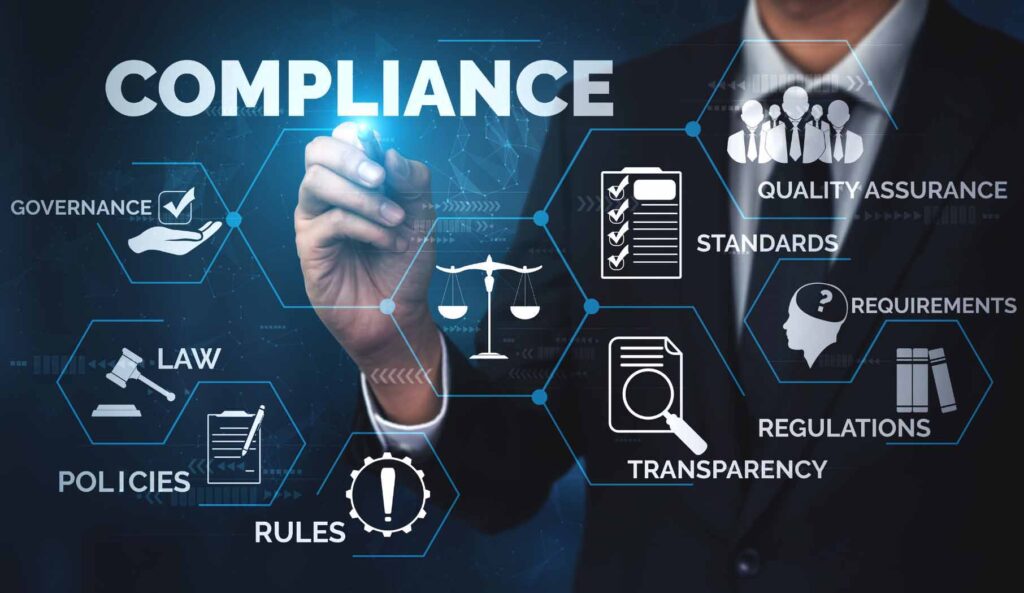
Starting a business is an exciting journey, but navigating the legal and regulatory landscape can be challenging. Compliance with policies, regulations, and legal frameworks is crucial for the long-term success and sustainability of any startup. A well-structured compliance strategy not only protects businesses from legal risks but also enhances credibility, investor confidence, and operational efficiency.
This article explores key aspects of policy and compliance for startups, helping entrepreneurs build a strong foundation for growth while staying legally compliant.
1. Understanding Compliance: Why It Matters
Regulatory compliance refers to adhering to laws, rules, and industry regulations that govern business operations. Non-compliance can result in hefty fines, lawsuits, and reputational damage, which can be devastating for a startup.
A proactive compliance approach helps in:
✔ Avoiding legal penalties and business shutdowns
✔ Building trust with investors, customers, and stakeholders
✔ Streamlining operations and mitigating risks
✔ Ensuring long-term sustainability
2. Essential Legal & Compliance Areas for Startups
A. Business Structure & Registration
Choosing the right legal structure impacts taxation, liability, and regulatory obligations. Startups must register under an appropriate entity, such as:
✅ Sole Proprietorship – Ideal for solo entrepreneurs, but with unlimited liability.
✅ Partnership – Suitable for co-founders, governed by a partnership deed.
✅ Private Limited Company (Pvt. Ltd.) – Popular for startups seeking investment, offering limited liability and separate legal identity.
✅ LLP (Limited Liability Partnership) – Offers flexibility with limited liability, preferred for professional services.
Each structure has different compliance requirements, such as annual filings, tax obligations, and governance norms.
B. Licensing & Permits
Depending on the industry, startups may require specific licenses and permits. Some common ones include:
📌 GST Registration (For taxation and invoicing)
📌 MSME Registration (For availing government benefits)
📌 Shops & Establishment Act License (For office/workplace compliance)
📌 Industry-Specific Permits (E.g., FSSAI for food businesses, SEBI compliance for financial startups)
Failing to obtain the right licenses can result in penalties or business shutdowns.
C. Taxation & Financial Compliance
Startups must adhere to tax regulations, which vary based on business structure. Key tax obligations include:
💰 GST (Goods & Services Tax): Applicable for businesses with a turnover above the prescribed limit.
💰 Income Tax Compliance: Filing annual returns and maintaining accurate financial records.
💰 TDS (Tax Deducted at Source): Applicable if a startup makes payments subject to withholding tax.
💰 Startup Tax Benefits: Eligible startups can avail of tax exemptions under government schemes like the Startup India Initiative.
D. Intellectual Property (IP) Protection
Safeguarding intellectual property ensures that a startup’s innovations are legally protected. Key IP protections include:
🔒 Trademarks – For protecting brand names, logos, and slogans.
🔒 Patents – For innovative products or processes.
🔒 Copyrights – For creative works (content, software, etc.).
🔒 NDAs & Contracts – To protect confidential business information.
Early-stage startups often neglect IP protection, which can lead to legal disputes later.
E. Employment Laws & HR Compliance
Hiring employees brings statutory obligations, such as:
👥 Employment Contracts & Offer Letters – Clearly defining terms of employment.
👥 Payroll Compliance – Ensuring adherence to PF (Provident Fund), ESIC (Employee State Insurance), and gratuity laws.
👥 Anti-Sexual Harassment Policies – Mandatory under the POSH Act for businesses with 10+ employees.
👥 Data Protection & Workplace Safety – Following legal standards for employee rights and workplace safety.
3. Compliance Best Practices for Startups
✅ Set Up a Compliance Checklist – Regularly monitor filing deadlines and legal obligations.
✅ Consult Legal & Financial Experts – Seek guidance from professionals to ensure full compliance.
✅ Use Compliance Management Tools – Leverage digital solutions for automated filings and tracking.
✅ Stay Updated on Regulatory Changes – Laws and regulations evolve; staying informed is crucial.
✅ Implement Strong Governance Policies – Clear policies for decision-making and risk management prevent future disputes.
4. Conclusion: A Compliance-First Approach for Sustainable Growth
For startups, compliance is not just a legal necessity but a strategic advantage that fosters trust and credibility. Ensuring regulatory adherence from day one prevents legal pitfalls, attracts investors, and secures long-term success.
By proactively managing policies, taxation, employment laws, and IP rights, startups can focus on scaling their business without worrying about legal hurdles. A strong compliance foundation today ensures a secure and sustainable future in the competitive business landscape