
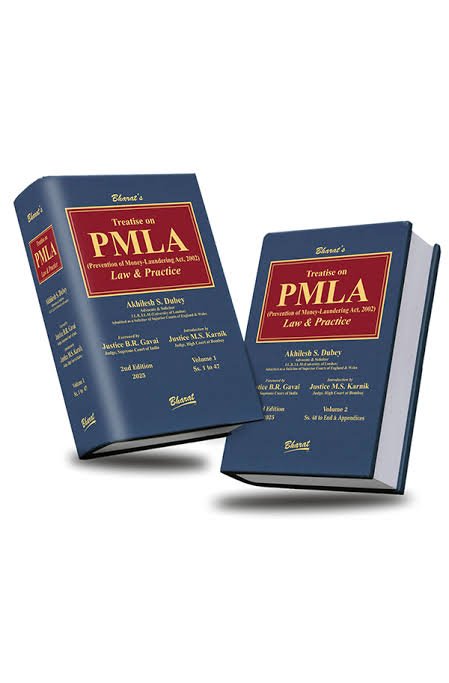
The Prevention of Money Laundering Act, 2002 (PMLA) is one of India’s most significant financial crime laws. It empowers the Enforcement Directorate (ED) to investigate offences involving the laundering of proceeds of crime, attachment of properties, searches, seizures, arrests and prosecution before Special Courts. Individuals and businesses seeking a PMLA Lawyer in Delhi often require legal assistance in responding to ED summons, challenging attachment orders, seeking bail or defending complex financial crime allegations.
PMLA proceedings are highly technical and frequently run alongside investigations involving agencies such as the CBI, SFIO, EOW, SEBI or Income Tax Department. Since these cases involve detailed financial records, electronic evidence and strict procedural requirements, timely legal representation is essential to safeguard legal rights and ensure due process.
Key Takeaways
- PMLA governs offences relating to money laundering and proceeds of crime.
- The Enforcement Directorate (ED) is the primary investigating agency under the Act.
- PMLA cases may involve property attachment, summons, searches, seizures, arrests and prosecution.
- Early legal advice helps protect constitutional and procedural rights.
- Professional legal representation is important during investigation, bail, trial, appeals and adjudication.
- Every PMLA matter depends upon its unique facts, evidence and applicable statutory provisions.
What is the Prevention of Money Laundering Act (PMLA)?
The Prevention of Money Laundering Act, 2002 was enacted to prevent money laundering, confiscate proceeds of crime and prosecute individuals involved in laundering illegally obtained assets.
Broadly, the Act provides for:
- Investigation of money laundering offences.
- Attachment of suspected proceeds of crime.
- Confiscation of assets in accordance with law.
- Prosecution before designated Special Courts.
- Appeals before the Appellate Tribunal and higher courts.
Why You Need a PMLA Lawyer in Delhi
A PMLA Lawyer in Delhi provides legal assistance at every stage of a money laundering investigation or prosecution.
Legal services may include:
- Representation before the Enforcement Directorate.
- Advice regarding ED summons.
- Defence during search and seizure proceedings.
- Bail applications.
- Challenging provisional attachment orders.
- Representation before the Adjudicating Authority.
- Appeals before the Appellate Tribunal.
- Proceedings before High Courts and the Supreme Court.
- Criminal trial defence.
- Compliance and advisory services for businesses.
Role of the Enforcement Directorate (ED)
The Enforcement Directorate is the principal agency responsible for enforcing the PMLA.
Its powers may include:
Investigation
The ED investigates allegations relating to money laundering arising from scheduled offences.
Search and Seizure
Where authorised under law, the ED may conduct searches and seize documents, digital devices or other relevant material.
Summons
Individuals may be summoned to provide information or appear before investigating officers under the relevant statutory provisions.
Property Attachment
Properties believed to represent proceeds of crime may be provisionally attached, subject to adjudication under the Act. Recent Delhi High Court decisions have reiterated that even inherited or ancestral property may be attached where the statutory requirements for equivalent-value attachment are satisfied.
Common Situations in PMLA Cases
A person may require legal assistance when facing:
- ED summons.
- Search and seizure proceedings.
- Arrest under the PMLA.
- Attachment of movable or immovable property.
- Corporate fraud investigations.
- Banking fraud allegations.
- Cross-border financial investigations.
- Proceedings linked to CBI, EOW, SFIO or SEBI investigations.
These matters often involve extensive documentary and electronic evidence requiring detailed legal analysis.
Legal Process Under the PMLA
Although each matter is unique, proceedings commonly involve:
Registration of Predicate Offence
The process usually begins with a scheduled offence investigated by a competent agency.
ED Investigation
The Enforcement Directorate examines financial transactions, records, bank accounts and other evidence.
Summons and Statements
Individuals may be called to provide statements and produce relevant documents.
Provisional Attachment
Where permitted by law, suspected proceeds of crime may be provisionally attached.
Adjudication
The Adjudicating Authority examines whether the attachment should be confirmed.
Trial
If prosecution is initiated, the matter proceeds before the designated Special PMLA Court.
Rights of Individuals During ED Investigation
Persons facing investigation continue to enjoy important legal protections.
These include:
- Right to legal advice.
- Right to fair investigation.
- Protection under applicable constitutional safeguards.
- Right to challenge attachment orders through appropriate legal remedies.
- Right to seek bail where legally permissible.
- Right to pursue appeals before higher judicial forums.
Understanding these rights is essential while responding to notices or participating in investigations.
Bail Under the Prevention of Money Laundering Act (PMLA)
Bail in PMLA cases is governed by specific statutory provisions and judicial precedents. Since allegations under the Act often involve serious financial offences, courts carefully evaluate the facts and evidence before granting bail.
While deciding a bail application, courts may consider:
- Nature and gravity of the alleged offence.
- Available documentary and electronic evidence.
- Stage of the investigation.
- Possibility of influencing witnesses.
- Risk of absconding.
- Criminal antecedents, if any.
- Compliance with the statutory requirements under the PMLA.
Given the complexity of these proceedings, experienced legal representation is crucial when seeking bail before the appropriate court.
Property Attachment Under the PMLA
One of the most significant features of the PMLA is the power to provisionally attach properties believed to be connected with the proceeds of crime.
Properties that may be examined include:
- Residential properties.
- Commercial buildings.
- Agricultural land (where applicable).
- Bank accounts.
- Investments.
- Shares and securities.
- Business assets.
- Luxury vehicles.
- Other movable and immovable properties.
After provisional attachment, the matter is placed before the Adjudicating Authority, which determines whether the attachment should be confirmed in accordance with law.
Adjudication and Appeals
Following the attachment of property, legal proceedings generally continue before the Adjudicating Authority.
If a party is aggrieved by an order, further remedies may include:
Appeal before the Appellate Tribunal
The Appellate Tribunal reviews orders passed under the provisions of the Act.
High Court Appeals
Questions of law arising from Tribunal decisions may be challenged before the jurisdictional High Court.
Supreme Court Proceedings
Appropriate matters involving substantial questions of law or constitutional importance may ultimately be considered by the Supreme Court.
Each stage requires careful legal analysis and procedural compliance.
Defence Strategy in PMLA Cases
Every money laundering case is unique and requires a customized legal strategy based on the available evidence.
An effective defence may include:
Examination of Financial Records
Reviewing banking transactions, accounting records, tax filings and corporate documents.
Analysis of Predicate Offence
Examining whether the scheduled offence satisfies the statutory requirements connected with the PMLA proceedings.
Challenging Property Attachment
Evaluating whether the attachment complies with the procedural safeguards prescribed under the Act.
Review of Search and Seizure Proceedings
Assessing whether searches, seizures and collection of evidence were conducted in accordance with legal requirements.
Constitutional and Procedural Safeguards
Protecting the legal rights of individuals throughout the investigation and prosecution.
A carefully planned defence strategy can significantly strengthen the client’s legal position.
Corporate Compliance to Reduce PMLA Risk
Businesses can reduce legal exposure by adopting robust compliance practices.
Recommended measures include:
- Strong Anti-Money Laundering (AML) policies.
- Know Your Customer (KYC) compliance.
- Regular internal audits.
- Accurate accounting and bookkeeping.
- Employee compliance training.
- Timely regulatory reporting.
- Proper documentation of financial transactions.
- Periodic legal compliance reviews.
Effective compliance not only minimizes legal risks but also strengthens corporate governance.
How to Choose the Best PMLA Lawyer in Delhi
Selecting the right legal professional is essential in financial crime matters.
Consider the following factors:
Experience in PMLA Matters
Choose a lawyer with substantial experience handling money laundering investigations and proceedings before the ED.
White-Collar Crime Expertise
Experience in financial crimes, corporate fraud, banking offences and regulatory litigation is highly beneficial.
Courtroom Representation
Strong advocacy before Special Courts, High Courts and the Supreme Court is important for complex litigation.
Knowledge of Financial Regulations
A thorough understanding of banking laws, corporate regulations, taxation and financial documentation strengthens the legal defence.
Strategic Legal Advice
Every PMLA matter requires a case-specific strategy based on the facts, evidence and applicable law.
Common Mistakes People Make
Individuals and businesses often weaken their legal position by making avoidable mistakes.
Common errors include:
- Ignoring ED summons.
- Delaying legal consultation.
- Providing incomplete financial records.
- Destroying or altering documents.
- Making statements without legal advice.
- Failing to preserve electronic evidence.
- Ignoring compliance obligations.
- Maintaining inadequate accounting records.
- Relying on unofficial legal guidance instead of experienced professionals.
Avoiding these mistakes can significantly improve legal preparedness.
Expert Insights
Money laundering investigations involve intricate legal, financial and regulatory issues. From a professional perspective, proactive compliance is the most effective way to minimize legal exposure. Businesses should implement comprehensive AML policies, maintain transparent financial records, conduct periodic compliance audits and respond promptly to regulatory notices.
For individuals facing ED proceedings, early legal consultation is critical. Proper evaluation of financial documents, careful preparation before responding to summons and a structured legal strategy can help protect legal rights throughout the investigation and trial.
Conclusion
The PMLA Lawyer in Delhi plays a vital role in protecting the legal rights of individuals and businesses facing money laundering investigations, ED proceedings, property attachment, bail hearings and criminal trials. Since proceedings under the Prevention of Money Laundering Act involve complex statutory provisions and extensive financial evidence, experienced legal representation is essential.
Whether the matter relates to ED summons, provisional attachment of assets, criminal prosecution or appellate proceedings, obtaining timely legal advice can help ensure procedural compliance and an effective legal defence. A proactive legal strategy, supported by accurate documentation and regulatory compliance, is often the best approach to navigating PMLA proceedings successfully.
Frequently Asked Questions (FAQs)
1. What is the Prevention of Money Laundering Act (PMLA)?
The PMLA is a central law enacted to prevent money laundering, investigate proceeds of crime, attach illegally acquired assets and prosecute offenders.
2. Which agency investigates PMLA cases?
The Enforcement Directorate (ED) is the primary agency responsible for investigating offences under the PMLA.
3. Can property be attached under the PMLA?
Yes. Subject to statutory conditions, the ED may provisionally attach properties believed to represent the proceeds of crime.
4. Can bail be granted in PMLA cases?
Yes. Bail may be granted by the competent court depending on the facts of the case and the applicable legal provisions.
5. What should I do if I receive an ED summons?
You should carefully review the notice and seek legal advice before responding or appearing before the investigating authority.
6. Why should I hire a PMLA Lawyer in Delhi?
An experienced lawyer can assist with ED investigations, bail applications, property attachment matters, criminal defence and appellate proceedings.
7. Can attachment orders be challenged?
Yes. Attachment orders may be challenged before the Adjudicating Authority, the Appellate Tribunal and higher courts as permitted by law.
8. How can businesses reduce the risk of PMLA proceedings?
Businesses should maintain strong AML compliance, proper accounting records, regular audits, effective KYC procedures and transparent financial practices.