
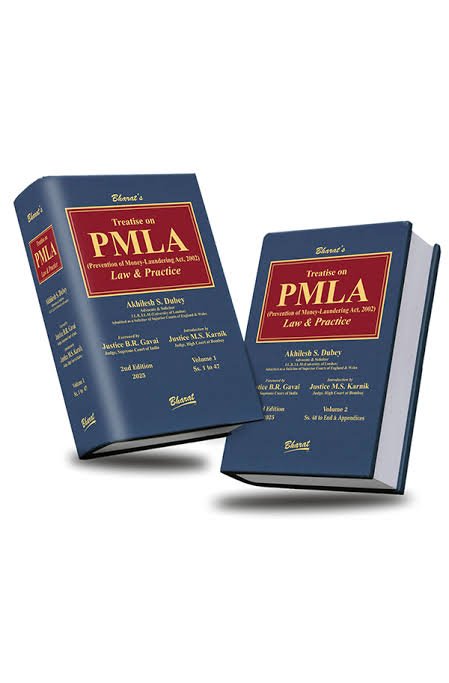
The Prevention of Money Laundering Act, 2002 (PMLA) is one of India’s key financial crime laws. It empowers the Enforcement Directorate (ED) to investigate offences involving the laundering of proceeds of crime, conduct searches and seizures, provisionally attach properties, make arrests in accordance with law and prosecute cases before designated Special Courts. Individuals, professionals, business owners and companies often seek the assistance of a PMLA Lawyer in Delhi when facing ED investigations, summons, property attachment proceedings, bail applications or criminal prosecution.
ADMA & Associates represents clients in PMLA, white-collar crime and criminal litigation matters. The firm assists with preventive legal advice, ED proceedings, criminal defence and representation before Special Courts, High Courts and the Supreme Court, providing strategic legal solutions for individuals and businesses.
Key Takeaways
- PMLA governs offences relating to money laundering and proceeds of crime.
- The Enforcement Directorate (ED) investigates offences under the Act.
- PMLA proceedings may involve ED summons, searches, seizures, arrests and property attachment.
- Early legal advice helps protect procedural and legal rights.
- Experienced legal representation is valuable during investigations, bail, trials and appeals.
- Every PMLA case depends on its unique facts, evidence and applicable legal provisions.
What is the Prevention of Money Laundering Act (PMLA)?
The Prevention of Money Laundering Act, 2002 was enacted to prevent money laundering, confiscate proceeds of crime and prosecute individuals involved in laundering illegally obtained assets.
Broadly, the Act provides for:
- Investigation of money laundering offences.
- Attachment of suspected proceeds of crime.
- Confiscation of assets in accordance with law.
- Prosecution before designated Special Courts.
- Appeals before the Appellate Tribunal and higher courts.
PMLA proceedings are often linked with investigations conducted by agencies such as the Enforcement Directorate, CBI, SFIO, Income Tax Department or other regulatory authorities.
Why You Need a PMLA Lawyer in Delhi
A knowledgeable PMLA Lawyer in Delhi can provide legal assistance at every stage of an investigation or prosecution.
Legal services may include:
- Legal consultation.
- Representation before the Enforcement Directorate.
- Assistance in responding to ED summons.
- Defence during search and seizure proceedings.
- Bail applications.
- Challenging provisional attachment orders.
- Representation before the Adjudicating Authority.
- Appeals before the Appellate Tribunal.
- Proceedings before the Delhi High Court and Supreme Court.
- Criminal trial defence.
Professional legal guidance helps clients understand their rights, comply with procedural requirements and prepare an effective legal strategy.
Stages of a PMLA Investigation
Although every matter is unique, a PMLA investigation generally progresses through several stages.
Receipt of Information
Proceedings may begin after information relating to a scheduled offence or suspected proceeds of crime is received by the Enforcement Directorate.
Issuance of ED Summons
The ED may issue summons requiring individuals to appear before investigating officers and produce relevant documents or records.
Collection of Financial Evidence
Investigators commonly examine:
- Bank account statements.
- Income Tax Returns.
- GST records.
- Company financial statements.
- Audit reports.
- Property records.
- Books of accounts.
- Corporate filings.
- Digital records.
Search and Seizure
Where authorised under the law, investigating officers may conduct searches and seize documents, electronic devices, financial records or other material relevant to the investigation.
Provisional Attachment of Property
The ED may provisionally attach movable or immovable property alleged to represent proceeds of crime, subject to adjudication under the PMLA.
Prosecution Before Special Court
Where sufficient material exists, a prosecution complaint may be filed before the designated Special Court for trial.
Important Evidence in PMLA Cases
PMLA proceedings are heavily dependent upon documentary and financial evidence.
Common evidence includes:
- Bank statements.
- Income Tax records.
- GST filings.
- Financial statements.
- Audit reports.
- Company books of accounts.
- Property ownership records.
- Contracts and agreements.
- Emails.
- Electronic communications.
- Mobile phone records.
- Digital devices.
- Forensic audit reports.
Maintaining accurate financial documentation is often essential during investigations and legal proceedings.
Legal Rights During PMLA Proceedings
Individuals and businesses facing PMLA investigations continue to enjoy important legal protections.
These generally include:
- Right to legal representation.
- Right to respond to ED summons.
- Right to seek bail where legally available.
- Right to challenge attachment orders.
- Right to appeal eligible orders.
- Right to procedural fairness in accordance with the law.
Understanding these rights helps individuals and businesses participate appropriately in investigations while protecting their legal interests.
Bail in PMLA Cases
Bail in proceedings under the Prevention of Money Laundering Act, 2002 (PMLA) is governed by the provisions of the Act and applicable judicial precedents. Courts examine the facts of each case individually before deciding a bail application.
While considering bail, courts may evaluate:
- Nature and seriousness of the alleged offence.
- Stage of the investigation.
- Available documentary and financial evidence.
- Risk of tampering with evidence.
- Possibility of influencing witnesses.
- Compliance with statutory requirements.
- Previous criminal record, if any.
- Overall interests of justice.
An experienced PMLA Lawyer in Delhi prepares bail applications, analyses the investigation record and represents clients before the appropriate court.
Legal Defence Strategy in PMLA Cases
Every money laundering case requires a well-planned legal defence based on facts, financial records and applicable law.
Detailed Financial Record Analysis
Legal counsel carefully reviews:
- Bank statements.
- Income Tax Returns.
- GST records.
- Financial statements.
- Company books of accounts.
- Audit reports.
- Investment records.
- Property documents.
- Business transaction records.
A detailed review helps identify inconsistencies, verify financial transactions and prepare an effective defence.
Examination of Documentary and Digital Evidence
A lawyer may evaluate:
- Contracts and agreements.
- Corporate records.
- Emails.
- Electronic communications.
- Accounting software data.
- Digital devices.
- Financial reports.
- Business correspondence.
Proper analysis of documentary and electronic evidence is essential in complex financial crime litigation.
Review of Procedural Compliance
The investigation is examined to determine whether statutory procedures relating to:
- ED summons.
- Search and seizure.
- Arrest.
- Recording of statements.
- Property attachment.
have been followed in accordance with the PMLA and other applicable laws.
Corporate Compliance Review
Where businesses are involved, lawyers often assess:
- Internal compliance policies.
- Corporate governance systems.
- Financial controls.
- Regulatory filings.
- Risk management procedures.
- Statutory compliance records.
A strong compliance framework may support an organisation’s legal position during regulatory investigations.
Representation Before Authorities and Courts
Depending on the stage of the matter, representation may be required before:
- Enforcement Directorate (ED).
- Adjudicating Authority under PMLA.
- Special PMLA Court.
- Appellate Tribunal.
- Delhi High Court.
- Supreme Court of India.
Each legal strategy should be tailored to the specific facts and evidence of the case.
Property Attachment Proceedings
Property attachment is one of the most significant aspects of PMLA investigations.
Provisional Attachment
The Enforcement Directorate may provisionally attach movable or immovable property alleged to represent the proceeds of crime, subject to the legal requirements under the PMLA.
Adjudication
The Adjudicating Authority examines the material placed on record before deciding whether the provisional attachment should be confirmed or released.
Appeals Against Attachment Orders
Eligible orders may be challenged before the Appellate Tribunal and, where permitted, before the High Court or Supreme Court in accordance with the law.
Appeals Under the PMLA
The PMLA provides legal remedies against certain orders passed during proceedings.
Appellate Tribunal
Orders of the Adjudicating Authority may be appealed before the Appellate Tribunal, subject to the provisions of the Act.
Delhi High Court
The Delhi High Court may hear appeals or writ petitions involving legal questions, procedural issues or judicial review, depending on the facts and statutory provisions.
Supreme Court of India
Appropriate matters involving substantial questions of law may be carried to the Supreme Court through the legal remedies available under the Constitution and applicable statutes.
How to Choose the Best PMLA Lawyer in Delhi
Choosing experienced legal representation is critical in financial crime investigations.
Experience in White-Collar Crime
Select a lawyer with substantial experience in handling PMLA matters, ED investigations, economic offences and criminal litigation.
Knowledge of Financial and Criminal Laws
A competent lawyer should have expertise in:
- Prevention of Money Laundering Act, 2002.
- Foreign Exchange Management Act (FEMA).
- Bharatiya Nyaya Sanhita (BNS).
- Bharatiya Nagarik Suraksha Sanhita (BNSS).
- Bharatiya Sakshya Adhiniyam.
- Income Tax laws.
- GST laws.
- Company law.
- Banking and financial regulations.
Experience Before Investigative Agencies
Practical experience before agencies such as:
- Enforcement Directorate (ED).
- Central Bureau of Investigation (CBI).
- Serious Fraud Investigation Office (SFIO).
- Directorate of Revenue Intelligence (DRI).
- Income Tax Department.
can be valuable where investigations involve multiple authorities.
Corporate Advisory Experience
Businesses benefit from lawyers who understand:
- Regulatory compliance.
- Internal investigations.
- Financial reporting.
- Risk management.
- Corporate governance.
Strong Courtroom Advocacy
A lawyer should possess strong drafting, evidence analysis, cross-examination and advocacy skills before Special Courts, the Delhi High Court and the Supreme Court.
Common Mistakes During PMLA Proceedings
Many individuals and businesses weaken their legal position by making avoidable errors.
Common mistakes include:
- Ignoring ED summons.
- Delaying legal consultation.
- Making statements without legal advice.
- Maintaining incomplete financial records.
- Deleting electronic evidence.
- Ignoring statutory notices.
- Missing hearing dates.
- Weak internal compliance systems.
- Delaying appeals beyond limitation periods.
Avoiding these mistakes helps strengthen the legal defence and protect procedural rights.
Expert Insights
PMLA investigations are document-intensive and require a thorough understanding of financial transactions, accounting records, banking documentation and regulatory compliance. Businesses should maintain transparent bookkeeping, preserve statutory records, conduct periodic internal audits and establish robust compliance mechanisms to reduce regulatory risks.
Individuals receiving ED notices, summons or search warrants should seek experienced legal advice without delay. Early legal intervention enables proper review of financial records, preservation of evidence, protection of legal rights and preparation of an effective defence strategy.
Conclusion
A PMLA Lawyer in Delhi plays a crucial role in representing individuals, professionals and businesses facing investigations under the Prevention of Money Laundering Act. Whether the matter involves ED summons, search and seizure, property attachment, bail, prosecution or appellate proceedings, experienced legal representation is essential.
Timely legal guidance helps clients understand their rights, comply with statutory procedures and respond effectively to complex financial investigations. Engaging an experienced legal team at the earliest stage can significantly improve preparedness and strengthen the overall legal strategy.
Frequently Asked Questions (FAQs)
1. What is the Prevention of Money Laundering Act (PMLA)?
The PMLA is a law enacted to prevent money laundering, attach proceeds of crime and prosecute offences related to money laundering.
2. Why should I hire a PMLA Lawyer in Delhi?
A PMLA lawyer provides legal representation during ED investigations, bail proceedings, property attachment matters, trials and appeals.
3. Can the ED attach property under the PMLA?
Yes. Subject to the provisions of the Act, the ED may provisionally attach property alleged to represent proceeds of crime.
4. Is bail available in PMLA cases?
Yes. Bail applications are decided by the competent court after examining the facts, evidence and statutory provisions.
5. What documents are important in PMLA investigations?
Bank statements, Income Tax records, GST filings, financial statements, audit reports, company records, contracts and electronic evidence are commonly examined.
6. Can attachment orders be challenged?
Yes. Eligible attachment orders may be challenged before the Appellate Tribunal and higher courts in accordance with the law.
7. How can businesses reduce PMLA-related risks?
Businesses should maintain proper financial records, strengthen compliance systems, conduct regular audits and implement sound corporate governance practices.
8. Why is early legal consultation important?
Early legal advice helps preserve evidence, protect legal rights, ensure procedural compliance and prepare an effective legal strategy.